
Cockroaches
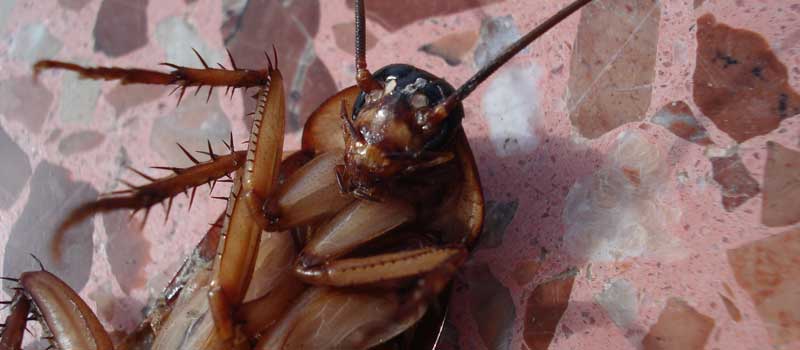
American Cockroaches
Also known as wood roaches, tree roaches, or water bugs. These are the big ones most commonly found outdoors.
Identification:
American cockroaches (Periplaneta americana) are large, reddish-brown roaches commonly found in homes and commercial buildings. Adults measure about 1.5–2 inches long and have a yellowish band behind the head; nymphs are darker and wingless. These nocturnal insects are fast-moving, and evening sightings often indicate an infestation.
Adult American cockroaches are glossy, reddish-brown insects approximately 1.5–2 inches in length with a pale yellow band on the pronotum. Nymphs lack wings, are darker in color, and become winged as they molt through multiple instars to reach adulthood.
Behavior:
American cockroaches prefer warm, dark, and humid environments such as basements, crawlspaces, boiler rooms, wall voids, sewers, and storm drains. Outdoors they hide in mulch, leaf litter, and woodpiles and enter structures seeking food and moisture. They shelter in cracks and crevices during the day and forage at night.
These roaches are omnivorous scavengers that feed on decaying organic matter, starches, sweets, meats, grease, paper, cardboard, and even fecal matter. Common indoor food sources include crumbs, food residues in drains, pet food, and garbage. While they can survive long periods without food, they are attracted to accessible water sources.
Mating & Life Cycle:
Mating involves antennal contact and pheromone signaling. Females produce oothecae (egg cases) containing roughly 12–16 eggs and deposit them in protected locations such as wall voids and cracks. Nymphs undergo many molts before becoming adults, and development from egg to adult can take several months to over a year depending on temperature, humidity, and food availability.
What you can do:
Maintain good sanitation by cleaning crumbs and spills, storing food in sealed containers, removing pet food at night, and emptying trash regularly. Eliminate moisture by repairing leaks, insulating pipes, and improving ventilation or using dehumidifiers. Seal entry points by caulking cracks, installing door sweeps, and closing gaps around pipes, vents, and utility entries. Reduce outdoor harborage by removing leaf litter and mulch from foundations, storing firewood away from structures, and trimming vegetation away from buildings. Use sticky traps in garages, basements, and near drains to monitor early activity.
What we do:
Pest control professionals begin with a thorough inspection to locate harborage sites, entry points, and moisture problems. Common treatments include targeted baiting with gel or granular baits, application of insecticidal dusts into voids and electrical boxes, treatments with residual insecticides in cracks and crevices, and use of insect growth regulators (IGRs) to disrupt development. Follow-up visits, monitoring, sanitation recommendations, and exclusion work are typically part of a comprehensive control plan.
When you need to call us:
Contact us when you observe roaches in multiple rooms, find egg cases or large numbers of insects, experience persistent activity despite DIY efforts, or operate a food-service or commercial facility where infestations pose health and regulatory risks. Professionals provide inspection, a customized treatment plan, and ongoing monitoring to ensure lasting control.
Contact our licensed pest control team today to protect your home or business from cockroaches.
For more information:
German Cockroaches
These are the small roaches that typically infest your kitchen.
Identification:
German cockroaches (Blattella germanica) are small, light brown to tan roaches about 1/2 to 5/8 inch long with two dark parallel stripes on the pronotum. They are highly synanthropic—living primarily inside buildings—and are one of the most common and troublesome indoor cockroach species due to their rapid reproduction and association with kitchens and food-preparation areas.
Adult German cockroaches are 12–16 mm long, light brown with two distinct dark longitudinal stripes behind the head. Females are slightly larger and broader than males. Nymphs are darker, wingless, and resemble adults in shape; newly hatched nymphs are small and very pale but darken quickly. German roaches are agile and prefer to run rather than fly.
Behavior:
German cockroaches prefer warm, humid, sheltered indoor environments close to food and water sources. Typical harborage sites include kitchens, food-prep areas, sinks, cabinets, appliance voids, behind baseboards, and wall voids near plumbing. They hide in tight cracks and crevices during the day and emerge at night to forage. Because they thrive in human structures, infestations often start in multiunit dwellings, restaurants, and food-handling facilities and can spread via infested boxes, appliances, or cabinetry.
German cockroaches are omnivorous scavengers that feed on a wide variety of foods, including crumbs, food residues, grease, starches, sweets, and even soap and glue. They frequently feed at night and may contaminate food, utensils, and surfaces with pathogens picked up while foraging in unsanitary areas such as drains and garbage. They require both food and moisture and are commonly found near sinks, drains, and condensate lines.
Mating and Life Cycle
German cockroaches reproduce rapidly. Females produce ootheca (egg capsules) containing about 30–40 eggs and typically carry the ootheca until shortly before hatching or glue it to a protected surface. Development from egg to adult can take as little as 50–90 days under warm conditions, allowing populations to expand quickly. Multiple generations per year are common in heated buildings, making prompt control essential.
What you can do:
Preventing German cockroaches focuses on sanitation, exclusion, and moisture control. Keep kitchens and food-prep areas clean by wiping counters, cleaning crumbs and grease, storing food in sealed containers, and removing pet food overnight. Empty and clean trash containers frequently and clean appliance crevices. Eliminate water sources by fixing leaks, drying sinks and drains, and reducing humidity. Seal cracks, gaps, and crevices around cabinets, pipes, and baseboards, and inspect incoming goods, used appliances, and furniture for signs of roaches before bringing them indoors. Sticky traps can help detect early infestations.
What we do:
Pest control professionals use an Integrated Pest Management (IPM) approach tailored to German cockroaches. Technicians conduct thorough inspections to locate harborages, egg sites, and infestation hotspots. Common treatments include strategic placement of bait stations and gel baits in cracks, crevices, and voids where roaches forage; application of insecticidal dusts into voids and behind appliances; and targeted crack-and-crevice residual treatments. Insect growth regulators (IGRs) and monitoring with glue traps are often used to suppress reproduction and track progress. Because German cockroaches hide in many inaccessible sites, multiple visits and combined tactics are usually required.
When you need to call us:
Contact us when you see roaches in kitchens or multiple rooms, find ootheca or many nymphs and adults, experience recurring activity despite sanitation efforts, or manage a food-service facility subject to health regulations. Professional technicians provide inspection, a customized baiting and exclusion plan, and follow-up monitoring to achieve reliable control.
For a customized German cockroach control plan, contact our licensed pest control team today to protect your home or business.
For more information: